Morning belongs to more than guests
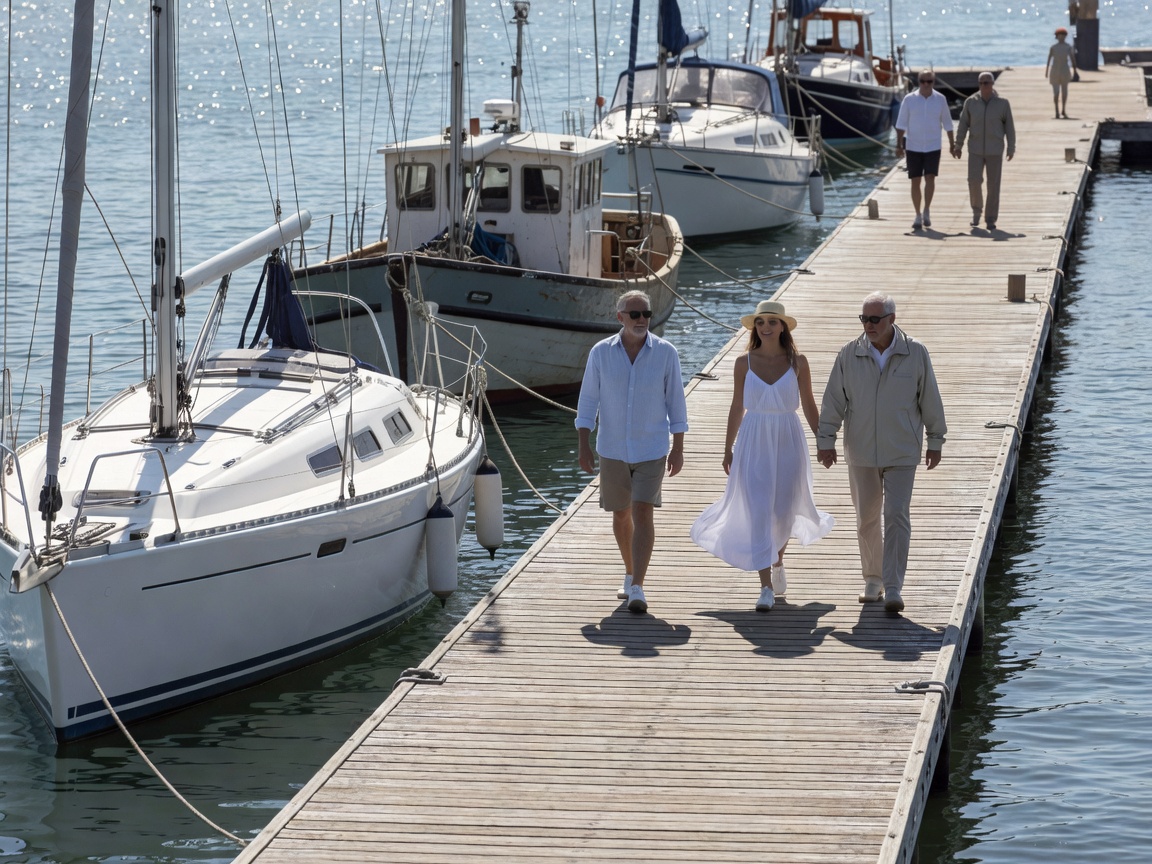
Before a floating hotel serves breakfast, the surrounding marina may already be awake. Someone checks a line, a trolley rolls over a joint in the decking, and a crew prepares to leave before the wind builds. These are ordinary activities in a place that serves boats as well as visitors. Their presence can make a stay feel grounded in local life, but it can also challenge the expectation of a silent retreat.
The distinction is worth making before booking. “Peaceful waterfront” may describe a view or a general atmosphere rather than a promise about sound. Ask what operates near the room: charter departures, a boatyard, fuel facilities, restaurants or passenger services. A berth at the end of a quiet pontoon can have a different rhythm from one beside the marina entrance.
Timing matters as much as location. A weekday outside the sailing season may bear little resemblance to a summer weekend. If your stay overlaps with a local event, ask how visitor numbers, parking and access are normally affected.
Listen to the place, then ask about sleep
Harbour sounds arrive in layers: birds, water against a hull, conversations, engines and sometimes a loose halyard tapping a mast. What feels atmospheric over coffee may feel different at night. Glazing, room orientation and the position of a nearby walkway influence what reaches the bed. Earplugs may help some people, but they are not a substitute for honest information about the location.
Ask whether the property has quiet hours, how guests report disturbance and whether staff are present overnight. Distinguish marina rules from hotel rules; a hotel may not control activity across the whole basin. If a light sleeper needs a particular unit away from a gate or restaurant, request that explicitly and check whether the allocation is confirmed.
Light is another part of the soundscape’s practical companion: a safe marina needs useful illumination. Navigation lights, walkway lighting and neighbouring windows can remain visible after dark. Check blackout arrangements if darkness matters to your sleep, and keep your own terrace lighting considerate.
Take the neighbourhood seriously
The harbour should be a starting point for the wider place, not a sealed holiday set. In Copenhagen, Christianshavn combines canals, homes and everyday city movement. In Helsinki, Katajanokka has a waterfront identity shaped by residential streets and passenger traffic. Stockholm’s Djurgården mixes waterside walks with major visitor attractions. These are destination contexts, not claims that floating boutique rooms are available in each location.
Porto Montenegro in Tivat and Port Vauban in Antibes demonstrate how different the scale and social atmosphere of a marina can be. A polished yacht destination may suit people who enjoy restaurants and activity; a smaller basin may offer a more intimate walk but fewer services. Neither is automatically more authentic. Think about how you want to spend the unremarkable hours between excursions.
Buy supplies locally where practical, follow waste and recycling instructions and do not feed wildlife from the pontoon. If you want to swim or use a paddleboard, seek explicit local permission and safe-location advice; being beside water does not make it a bathing area.
The reward is not necessarily a dramatic maritime adventure. It may be recognising the same dog on the morning walk, finding a bakery beyond the gate, or understanding why everyone pauses to let an arriving crew pass. Small-scale accommodation works best when it joins that life without pretending to own it.